





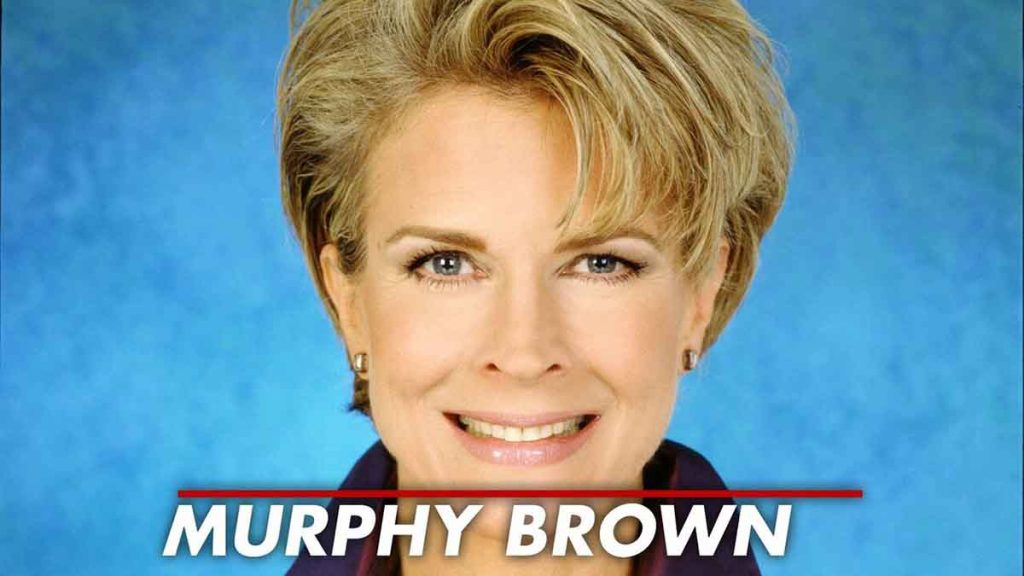
“Murphy Brown” is a classic American television series that originally aired from 1988 to 1998, with a revival season in 2018. Created by Diane English, the show is a celebrated blend of workplace comedy, social commentary, and political satire, centering on the life and career of the titular character, Murphy Brown, a tenacious and iconic investigative journalist.
The series introduces us to Murphy Brown, portrayed by the incomparable Candice Bergen, as a seasoned journalist working for the fictional news magazine show “FYI.” Known for her sharp wit, uncompromising journalistic integrity, and acerbic humor, Murphy is a trailblazer in a male-dominated industry. She is not afraid to take on challenging stories, confront powerful figures, and tackle controversial subjects. Murphy’s fearless pursuit of the truth often puts her at odds with her superiors and political figures.
At the start of the series, Murphy returns to “FYI” after a stay at the Betty Ford Center, addressing her battle with alcoholism. Her return to the newsroom marks a fresh beginning in her life and career, setting the stage for her continued adventures and challenges.
Murphy is surrounded by a dynamic and engaging supporting cast of characters who form the backbone of the show.
Frank Fontana (Joe Regalbuto): Frank is the senior reporter at “FYI” and a close friend of Murphy. He is dedicated to his work and often finds himself in humorous and occasionally precarious situations as he covers stories alongside Murphy.
Corky Sherwood (Faith Ford): Corky is the bright and bubbly co-anchor on the “FYI” news team. She represents the more traditional and glamorous side of television journalism, which often clashes with Murphy’s no-nonsense approach.
Miles Silverberg (Grant Shaud): Miles is the young, ambitious producer of “FYI.” He is often caught between Murphy’s unorthodox methods and the network’s desire for more sensationalistic stories. Miles serves as a bridge between the generations of journalists.
Jim Dial (Charles Kimbrough): Jim is the venerable and wise senior anchor of “FYI.” He provides a sense of gravitas and wisdom to the newsroom, often serving as a voice of reason in the midst of chaos.
One of the recurring themes in “Murphy Brown” is the show’s sharp satire of the media landscape and its relationship with politics. The series addresses the challenges journalists face in navigating the blurred lines between news and entertainment, as well as the ethical dilemmas that arise when covering political events.
The show’s timing was particularly significant, as it coincided with the turbulent political landscape of the late 1980s and the 1990s, including the presidency of George H.W. Bush and the Gulf War. “Murphy Brown” became known for its direct engagement with political figures and issues, epitomized by the controversy surrounding a fictional debate between Murphy and then-Vice President Dan Quayle over the topic of single motherhood.
Another central theme of the series is the balancing act of career and personal life. Murphy’s dedication to her work often puts a strain on her personal relationships, and the series explores her attempts to find love and happiness alongside her demanding career. Her relationship with her supportive house painter Eldin (Robert Pastorelli) adds a touch of warmth to her life.
The show’s portrayal of Murphy’s experiences as a single mother adds depth to her character and addresses the challenges faced by working mothers. Her relationship with her son Avery, who grows up during the series, is a touching and relatable aspect of the show.
“Murphy Brown” is celebrated for its groundbreaking approach to social and political commentary, as well as its ability to make viewers laugh while tackling complex and relevant issues. The series earned critical acclaim and numerous awards, including five Emmy Awards for Candice Bergen’s portrayal of Murphy.
In the 2018 revival of “Murphy Brown,” the show continues its tradition of using humor and satire to address contemporary political and media issues. It brings Murphy and her team back together to confront the challenges of the digital age and the changing landscape of journalism.
“Murphy Brown” remains a classic in the world of television, appreciated for its strong and dynamic characters, its fearless and funny take on journalism, and its lasting impact on the landscape of political and social satire on the small screen. It stands as a testament to the enduring power of comedy and commentary to shape the way we perceive the world around us.
